
Mastering the Art of Marble Plate Polishing: Techniques and Tools for Professionals
Time:
Jan 08,2026
When it comes to marble plate polishing, professionals must understand the importance of using the right tools and techniques to achieve optimal results. Marble, a popular choice for both aesthetic and functional purposes, requires careful handling during the polishing process to maintain its natural beauty and durability.
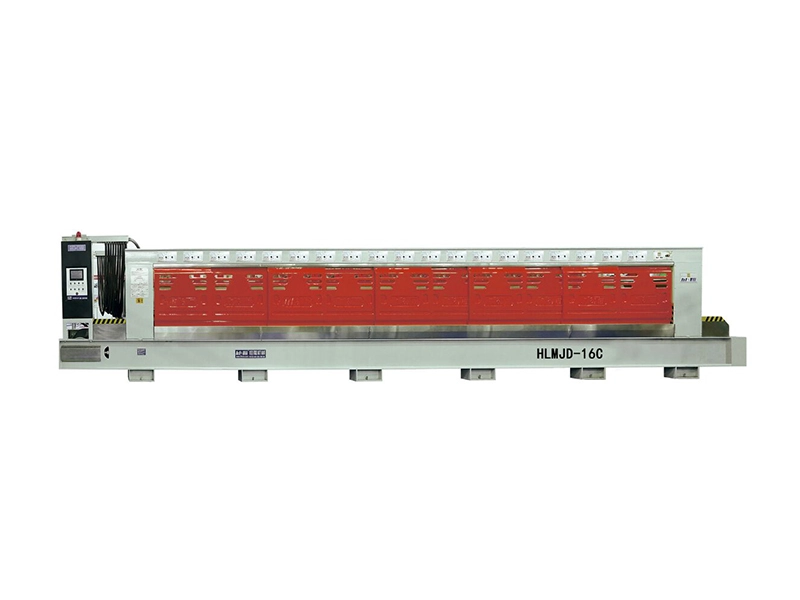
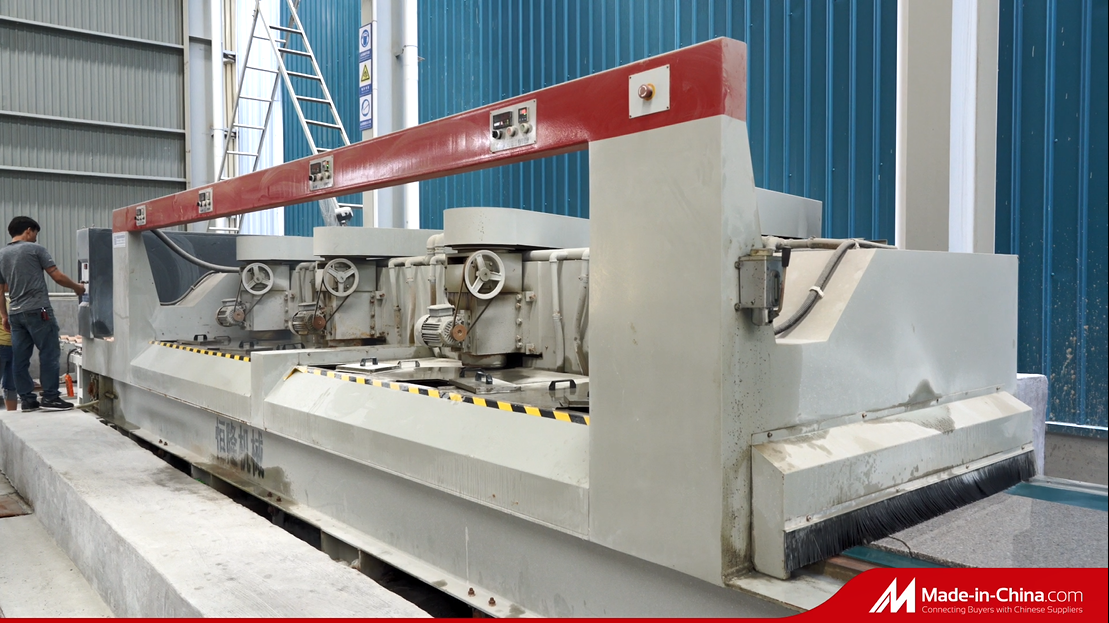
A marble plate polisher is an essential tool for anyone looking to refine the surface of marble. These electric polishing machines are designed to provide a high level of precision and are equipped to handle various types of marble finishes. It is crucial to select a polisher that suits the specific needs of your project, as different types of marble may require different approaches to achieve the best results.
Before starting the polishing process, it's important to prepare the marble surface. This preparation may include cleaning the marble to remove any dirt or debris and assessing the surface for scratches or damage. Using a high-quality marble cleaner can help ensure that the polishing process is effective and that no contaminants interfere with the final result.
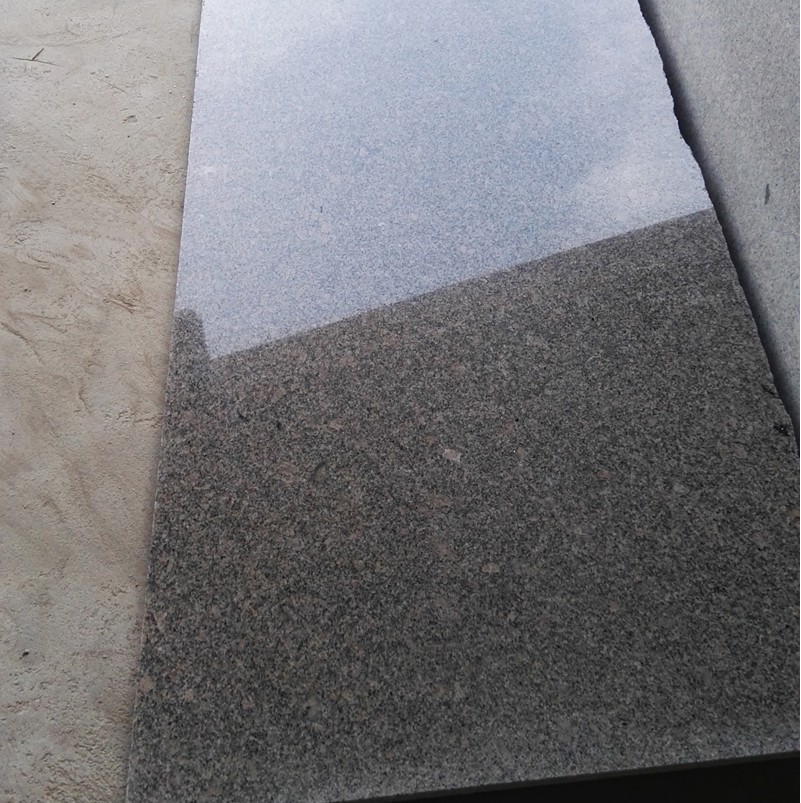
Once the surface is prepared, the actual polishing can begin. When using a marble plate polisher, start with a coarse grit diamond pad to remove scratches or rough spots on the marble surface. Gradually move to finer grits, progressing through the polishing process to achieve a high-gloss finish. It’s essential to follow the manufacturer's guidelines regarding the pad selection and operational settings for your polisher to achieve the best results.
In addition to the polishing pads, using water during the process can be beneficial. Water acts as a lubricant, helping to reduce friction and heat buildup, which can otherwise damage both the marble and the polishing equipment. This technique not only enhances the polishing effect but also extends the lifespan of your tools.
Moreover, safety should always be a priority when working with electric tools. Ensure that you wear appropriate personal protective equipment such as gloves, goggles, and dust masks to protect against debris and dust generated during the polishing process.
Lastly, it’s vital to regularly maintain your marble plate polisher to ensure its longevity and performance. Clean the machine after each use, check for any wear and tear, and replace parts as needed to keep it in optimal working condition.
In conclusion, mastering marble plate polishing requires a combination of the right tools, techniques, and safety measures. By utilizing a marble plate polisher effectively and following these guidelines, professionals can achieve stunning results, enhancing the beauty and durability of marble surfaces.
A marble plate polisher is an essential tool for anyone looking to refine the surface of marble. These electric polishing machines are designed to provide a high level of precision and are equipped to handle various types of marble finishes. It is crucial to select a polisher that suits the specific needs of your project, as different types of marble may require different approaches to achieve the best results.
Before starting the polishing process, it's important to prepare the marble surface. This preparation may include cleaning the marble to remove any dirt or debris and assessing the surface for scratches or damage. Using a high-quality marble cleaner can help ensure that the polishing process is effective and that no contaminants interfere with the final result.
Once the surface is prepared, the actual polishing can begin. When using a marble plate polisher, start with a coarse grit diamond pad to remove scratches or rough spots on the marble surface. Gradually move to finer grits, progressing through the polishing process to achieve a high-gloss finish. It’s essential to follow the manufacturer's guidelines regarding the pad selection and operational settings for your polisher to achieve the best results.
In addition to the polishing pads, using water during the process can be beneficial. Water acts as a lubricant, helping to reduce friction and heat buildup, which can otherwise damage both the marble and the polishing equipment. This technique not only enhances the polishing effect but also extends the lifespan of your tools.
Moreover, safety should always be a priority when working with electric tools. Ensure that you wear appropriate personal protective equipment such as gloves, goggles, and dust masks to protect against debris and dust generated during the polishing process.
Lastly, it’s vital to regularly maintain your marble plate polisher to ensure its longevity and performance. Clean the machine after each use, check for any wear and tear, and replace parts as needed to keep it in optimal working condition.
In conclusion, mastering marble plate polishing requires a combination of the right tools, techniques, and safety measures. By utilizing a marble plate polisher effectively and following these guidelines, professionals can achieve stunning results, enhancing the beauty and durability of marble surfaces.
RELATED NEWS


Tel: 0086-595-26681888
Fax: 0086-595-26681888
Service Hotline: 0086-13599983115
E-mail: admin@henglongmachine.com
Add: Wuli Bridge Industrial Area,Shuitou Town,Nan’an City,Fujian Province,China


