
The Essential Guide to Stone Polishing Machines: Transforming Your Stone Finishing Process
Time:
Jan 29,2026
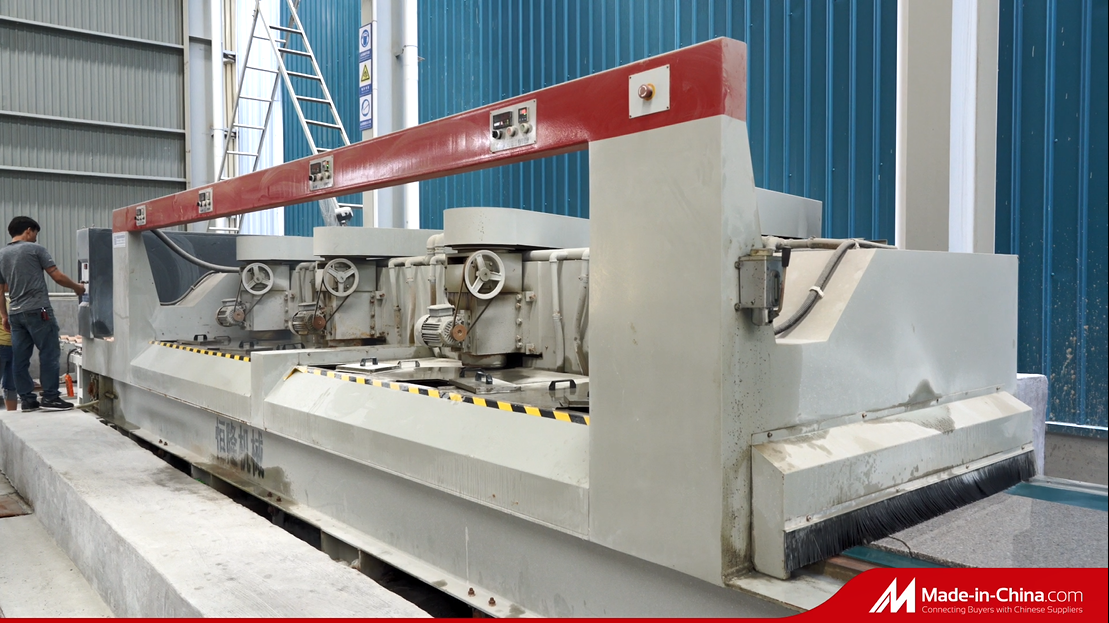
In the world of stone processing, achieving a flawless finish is crucial for both aesthetic appeal and durability. Stone polishing machines are essential tools designed to enhance the quality of stone products, making them smoother and more visually appealing. These machines are widely used in various applications, including countertops, flooring, and decorative stone elements.
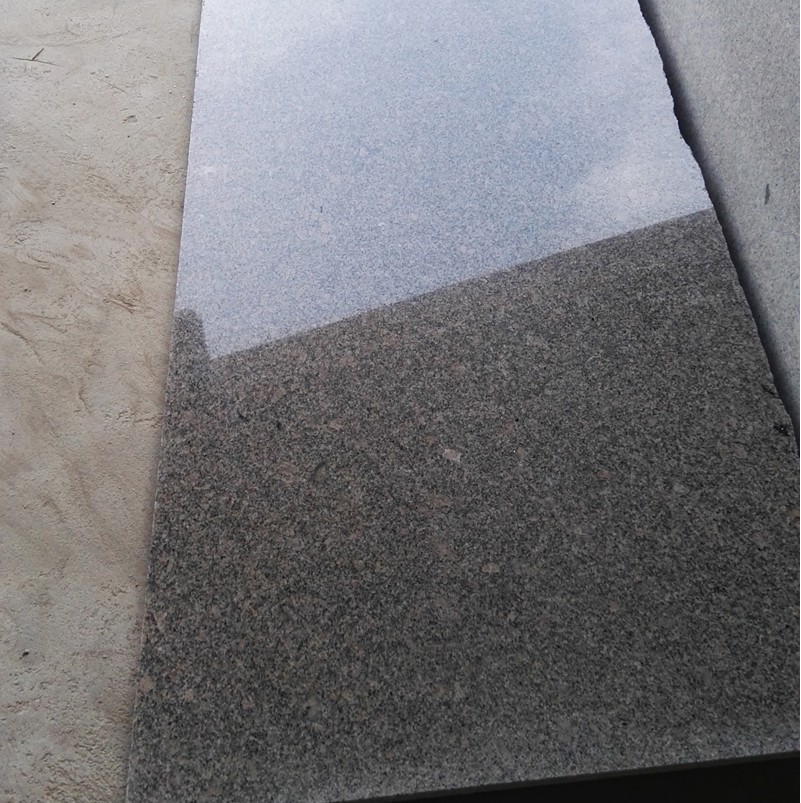
One of the primary functions of a stone polishing machine is to remove imperfections and scratches from the stone surface. By utilizing abrasive pads and water, these machines can create a high-gloss finish that not only elevates the beauty of the stone but also helps protect it from damage. Typically, the polishing process begins with coarse grits to eliminate roughness, followed by finer grits that progressively refine the surface. This multi-step approach ensures that the stone achieves the desired sheen and smoothness.
It's important to choose the right stone polishing machine based on the type of stone being processed. Different stones, such as granite, marble, or limestone, have unique characteristics that require specific polishing techniques. For instance, while harder stones like granite may require more robust machines capable of handling higher pressures, softer stones like marble might need gentler polishing methods to avoid damage.
In addition to enhancing the surface quality of the stone, stone polishing machines also contribute to increased efficiency in production processes. Manual polishing can be labor-intensive and time-consuming, often leading to inconsistent results. In contrast, automated polishing machines can significantly reduce labor costs and time while ensuring a uniform finish across multiple pieces. This efficiency is particularly beneficial in large-scale operations where consistency and speed are paramount.
Moreover, investing in high-quality stone polishing machines can lead to long-term savings. These machines are built to withstand heavy usage and deliver consistent results over time. Regular maintenance is essential to ensure optimal performance; users should keep the machine clean and check for wear and tear on polishing pads.
In conclusion, stone polishing machines play a vital role in the stone processing industry, transforming raw stone into finished products that meet high standards of quality and aesthetics. By understanding the functionality, selection criteria, and maintenance of these machines, professionals in the construction and decoration materials sector can enhance their operational efficiency and product quality. Whether you're working with granite, marble, or other types of stone, the right polishing machine can make all the difference in your finished product.
One of the primary functions of a stone polishing machine is to remove imperfections and scratches from the stone surface. By utilizing abrasive pads and water, these machines can create a high-gloss finish that not only elevates the beauty of the stone but also helps protect it from damage. Typically, the polishing process begins with coarse grits to eliminate roughness, followed by finer grits that progressively refine the surface. This multi-step approach ensures that the stone achieves the desired sheen and smoothness.
It's important to choose the right stone polishing machine based on the type of stone being processed. Different stones, such as granite, marble, or limestone, have unique characteristics that require specific polishing techniques. For instance, while harder stones like granite may require more robust machines capable of handling higher pressures, softer stones like marble might need gentler polishing methods to avoid damage.
In addition to enhancing the surface quality of the stone, stone polishing machines also contribute to increased efficiency in production processes. Manual polishing can be labor-intensive and time-consuming, often leading to inconsistent results. In contrast, automated polishing machines can significantly reduce labor costs and time while ensuring a uniform finish across multiple pieces. This efficiency is particularly beneficial in large-scale operations where consistency and speed are paramount.
Moreover, investing in high-quality stone polishing machines can lead to long-term savings. These machines are built to withstand heavy usage and deliver consistent results over time. Regular maintenance is essential to ensure optimal performance; users should keep the machine clean and check for wear and tear on polishing pads.
In conclusion, stone polishing machines play a vital role in the stone processing industry, transforming raw stone into finished products that meet high standards of quality and aesthetics. By understanding the functionality, selection criteria, and maintenance of these machines, professionals in the construction and decoration materials sector can enhance their operational efficiency and product quality. Whether you're working with granite, marble, or other types of stone, the right polishing machine can make all the difference in your finished product.
RELATED NEWS

Tel: 0086-595-26681888
Fax: 0086-595-26681888
Service Hotline: 0086-13599983115
E-mail: admin@henglongmachine.com
Add: Wuli Bridge Industrial Area,Shuitou Town,Nan’an City,Fujian Province,China


