
Enhancing Quality with a Stone Calibrating Machine: A Comprehensive Guide
Time:
Feb 03,2026
Enhancing Quality with a Stone Calibrating Machine: What You Need to Know
Table of Contents
- Introduction to Stone Calibrating Machines
- Understanding the Importance of Calibration in Stone Processing
- Types of Stone Calibrating Machines
- How a Stone Calibrating Machine Works
- Benefits of Using a Stone Calibrating Machine
- Choosing the Right Stone Calibrating Machine
- Maintenance Tips for Stone Calibrating Machines
- Frequently Asked Questions
- Conclusion
Introduction to Stone Calibrating Machines
In the realm of stone processing, **stone calibrating machines** are instrumental in achieving the highest standards of quality. These machines ensure that stone slabs are evenly calibrated to the desired thickness, which is crucial for various applications, including flooring, countertops, and decorative features. By utilizing advanced technology, these machines enhance the precision and finish of stone products, setting them apart in a competitive market.
Understanding the Importance of Calibration in Stone Processing
Why Calibration Matters
Calibration in stone processing is not merely a technical step; it is a critical factor that influences the performance and aesthetics of stone products. When stones are correctly calibrated, they present a uniform thickness, which is vital for proper installation and longevity. Uncalibrated stones can lead to uneven surfaces, compromising both the beauty and functionality of the finished product.
Impact on Product Quality
The impact of calibration extends beyond aesthetics. Well-calibrated stones experience fewer issues during installation, reducing the risk of chipping or breaking. Furthermore, precise calibration enhances the overall durability of the stone, ensuring that it withstands the test of time. In essence, investing in a stone calibrating machine translates to investing in the quality and reputation of your products.
Types of Stone Calibrating Machines
Automatic vs. Manual Machines
When selecting a stone calibrating machine, one must consider whether to opt for an **automatic or manual model**. Automatic machines offer advanced features such as programmable settings and higher production rates, making them suitable for large-scale operations. In contrast, manual machines may appeal to smaller workshops or artisans who prioritize craftsmanship and control over their work.
Different Models and Their Features
There are various models available in the market, each equipped with unique features. Some machines focus on specific stone types, while others are versatile enough to handle multiple materials. Key features to look for include adjustable calibration settings, safety mechanisms, and ease of use. Researching different brands and models can help you identify the machine that best suits your needs.
How a Stone Calibrating Machine Works
Key Components and Functions
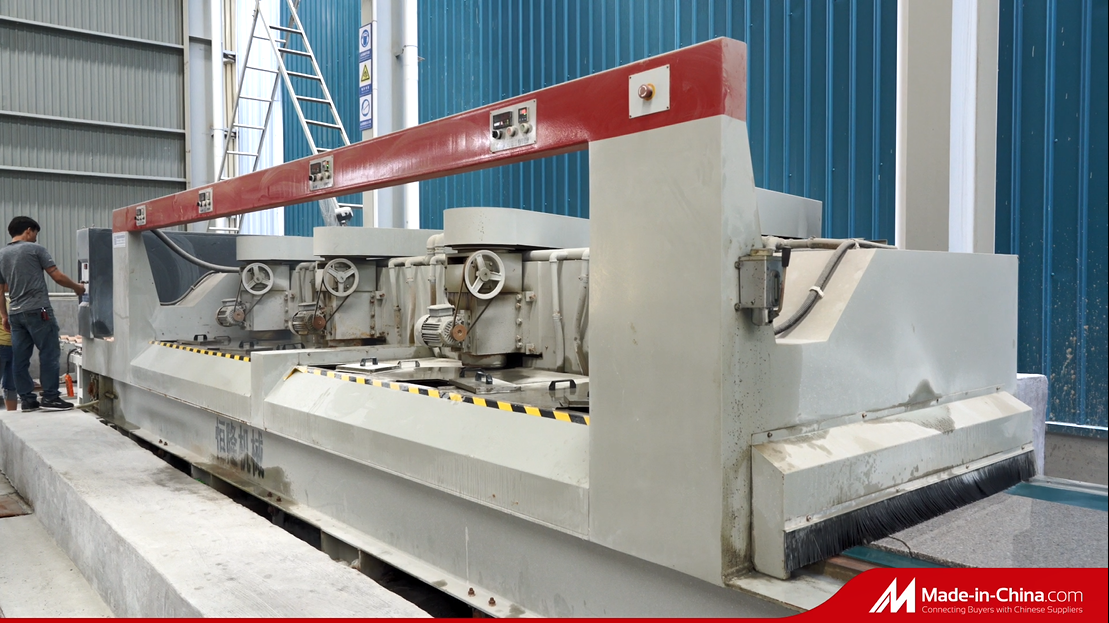
A typical stone calibrating machine comprises several key components: a feeding system, calibration rollers, a control panel, and a discharge area. The feeding system guides the stone into the machine, where calibration rollers work to adjust the thickness. The control panel allows operators to set parameters and monitor the calibration process, ensuring optimal results.
Step-by-Step Calibration Process
The calibration process involves several steps:
1. **Loading the Stone:** Place the stone slab onto the feeding system.
2. **Setting Parameters:** Adjust the machine settings based on the desired thickness.
3. **Calibration:** The stone passes through the rollers, where precision cutting occurs.
4. **Quality Check:** After calibration, inspect the stone for uniformity and quality.
5. **Discharge:** The finished product is released for further processing or packaging.
Benefits of Using a Stone Calibrating Machine
Enhanced Precision and Accuracy
One of the most significant advantages of using a stone calibrating machine is the **enhanced precision** it offers. These machines can achieve thickness tolerances that are difficult to replicate by hand, resulting in a superior end product. This precision is particularly important for applications requiring tight fitments and seamless finishes.
Increased Production Efficiency
Production efficiency is another critical benefit. With the ability to process multiple slabs simultaneously, a stone calibrating machine drastically reduces the time required for calibration. This efficiency allows businesses to meet larger orders and tight deadlines, giving them a competitive edge in the market.
Cost-Effectiveness in the Long Run
While the initial investment in a stone calibrating machine may be substantial, the long-term savings and benefits often outweigh costs. By minimizing waste, reducing labor hours, and improving product quality, these machines can lead to increased profitability. Moreover, the durability of well-calibrated stones can translate to fewer customer complaints and returns.
Choosing the Right Stone Calibrating Machine
Considerations Before Purchase
Before purchasing a stone calibrating machine, there are several considerations to keep in mind:
- **Production Needs:** Assess your volume and frequency of stone processing.
- **Type of Stones:** Ensure the machine is compatible with the types of stones you work with.
- **Budget:** Determine your budget and explore financing options if necessary.
- **Space:** Consider the space available in your workshop for installation.
Top Brands and Models to Consider
Several reputable brands offer high-quality stone calibrating machines. Brands such as **Biesse**, **CMS**, and **MGS** are known for their reliability and performance. Researching reviews and testimonials from other users can provide insights into the best models for your specific needs.
Maintenance Tips for Stone Calibrating Machines
Proper maintenance is crucial for ensuring the longevity and performance of your stone calibrating machine. Here are some essential tips:
1. **Regular Cleaning:** Dust and debris can accumulate, affecting machine performance. Regularly clean the machine after use.
2. **Lubrication:** Ensure that moving parts are adequately lubricated to prevent wear and tear.
3. **Calibration Checks:** Periodically check the calibration settings to maintain accuracy.
4. **Professional Inspections:** Schedule regular inspections by a professional technician to identify and address potential issues early.
Frequently Asked Questions
What is a stone calibrating machine?
A stone calibrating machine is a specialized piece of equipment designed to adjust the thickness of stone slabs to achieve uniformity and precision in stone processing.
How does a stone calibrating machine improve product quality?
By ensuring that stone slabs are evenly calibrated, these machines enhance the aesthetics, durability, and functionality of the finished products, reducing the risk of defects during installation.
What are the different types of stone calibrating machines available?
Stone calibrating machines can be categorized into automatic and manual models, each with various features tailored to specific processing needs.
How do I maintain my stone calibrating machine?
Regular cleaning, lubrication, calibration checks, and professional inspections are essential for maintaining your machine's performance and longevity.
What factors should I consider when selecting a stone calibrating machine?
Consideration factors include production needs, compatibility with the types of stones processed, budget, and available workshop space.
Conclusion
Investing in a **stone calibrating machine** is a strategic decision that can significantly enhance the quality and efficiency of stone processing operations. By understanding the importance of calibration, the types of machines available, and their benefits, businesses can make informed decisions that lead to superior products and increased profitability. From improved precision to long-term cost savings, the advantages are clear. Whether you are a small artisan shop or a large stone processing facility, incorporating a stone calibrating machine into your workflow is a step toward achieving excellence in stone craftsmanship.
RELATED NEWS

Tel: 0086-595-26681888
Fax: 0086-595-26681888
Service Hotline: 0086-13599983115
E-mail: admin@henglongmachine.com
Add: Wuli Bridge Industrial Area,Shuitou Town,Nan’an City,Fujian Province,China


